


Cultural elements in weddings are defined as the heritage rituals, symbols, and customs that shape how two people publicly commit to each other. The role of cultural elements in weddings goes far beyond decoration. These traditions carry the weight of family history, communal identity, and emotional memory. When woven thoughtfully into a ceremony, they transform a wedding from a beautiful event into a genuinely meaningful one. In 2026, the strongest trend in wedding planning is not spectacle but depth: couples are choosing curated ceremonial identities that center on a few powerful motifs rather than attempting to replicate entire traditions wholesale.
How do cultural elements influence the structure of modern weddings?
The structure of a wedding ceremony is the first place cultural heritage shows up, and it is where the most important decisions get made. How you sequence rituals, who officiates, and how transitions are handled all reflect the influence of culture on marriage. Getting this right requires deliberate planning, not improvisation.
There are three main structural approaches couples use when honoring multiple backgrounds:
- Separate ceremonies. Two distinct ceremonies are held, each fully honoring one tradition. A Hindu ceremony on Friday and a civil ceremony on Saturday, for example, gives each culture its full expression without compromise. This works best when both families have strong religious or community expectations.
- Blended ceremony with co-officiants. A single ceremony incorporates elements from both cultures, often led by two officiants. Co-officiants help navigate differing religious requirements and keep the ceremony feeling unified rather than fragmented. This is the most popular format for multicultural couples today.
- Single-tradition ceremony with cultural reception elements. The ceremony follows one tradition completely, while the reception incorporates food, music, dance, and decor from both backgrounds. This approach reduces ceremony complexity while still honoring heritage in a celebratory setting.
Each approach has real tradeoffs. Separate ceremonies cost more and can exhaust guests. Blended ceremonies require a skilled officiant who understands both traditions deeply. Single-tradition formats risk making one family feel sidelined if the reception elements are not given genuine weight.
The ceremony’s narrative arc is the element most couples underestimate. How an officiant words the transition between a Celtic hand-fasting and a Japanese san-san-kudo sake ritual determines whether guests feel moved or confused. A skilled officiant explains the meaning of each ritual briefly before it happens, so every person in the room understands what they are witnessing. That explanation is not a lecture. It is an act of hospitality.
Pro Tip: Ask your officiant to provide a written script of all transition moments at least six weeks before the wedding. Read it aloud together and mark any moment that feels abrupt or unexplained. Those are the moments that need one more sentence of context.
Which cultural elements should couples prioritize?
Selecting which traditions to include is the most consequential decision in planning a culturally rich wedding. The instinct to include everything is understandable, but it consistently produces weddings that feel rushed and emotionally thin. Prioritizing 2–3 non-negotiable elements from each culture produces far greater depth and allows guests to genuinely witness each tradition rather than simply observe a checklist.
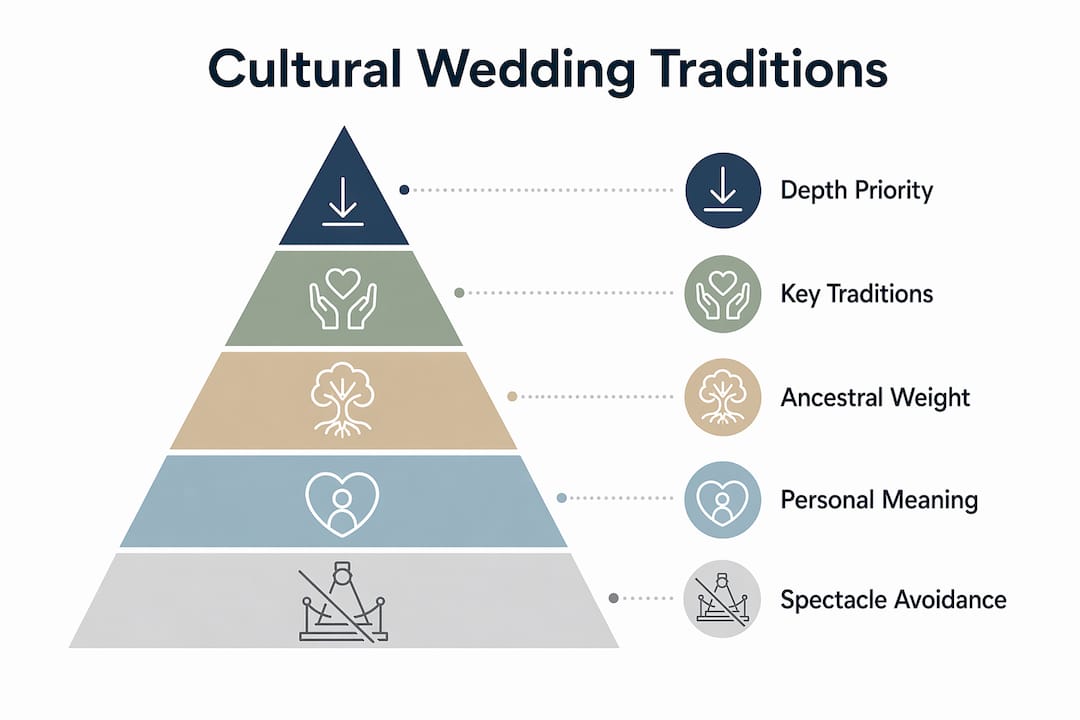
The concept of “ancestral agency” is useful here. It means asking not just “what did our ancestors do?” but “why did they do it, and what does it mean for us today?” Researching why a tradition exists and who it serves keeps the incorporation meaningful rather than performative. A Nigerian couple who includes the Yoruba engagement ceremony called the introduction does so because it formally unites two families, not just two individuals. Understanding that function changes how you present it.
Here is a practical framework for selecting your core cultural elements:
- Start with the non-negotiables. Ask each partner independently: “If we could only keep one tradition from my background, what would it be?” Those answers reveal the emotional priorities that matter most.
- Consider sensory impact. Traditions that engage multiple senses, such as the burning of incense in a Buddhist ceremony, the smell of orange blossoms in a Sicilian procession, or the sound of a Scottish bagpipe, create stronger emotional memories than visual-only elements.
- Consult your families early. The traditions that matter most to your parents and grandparents are often different from the ones you assume. A conversation with elders surfaces meaning you might otherwise miss.
- Research before you borrow. If you are incorporating a tradition from a culture that is not your own, consulting community members is not optional. Moving beyond surface aesthetics prevents cultural display from becoming disrespectful.
The 2026 trend toward ancestral weight over spectacle is reshaping how couples think about this selection process. Custom family history readings, communal meals prepared by relatives, and ceremonies conducted in near-lost languages are gaining real popularity. These choices cost less than elaborate floral installations and mean far more.
Pro Tip: Create a two-column list: one column for traditions with deep personal or family meaning, one column for traditions that simply look beautiful. Build your ceremony around the first column. Use the second column sparingly for reception decor.
How do cultural traditions shape decor, attire, and cuisine?
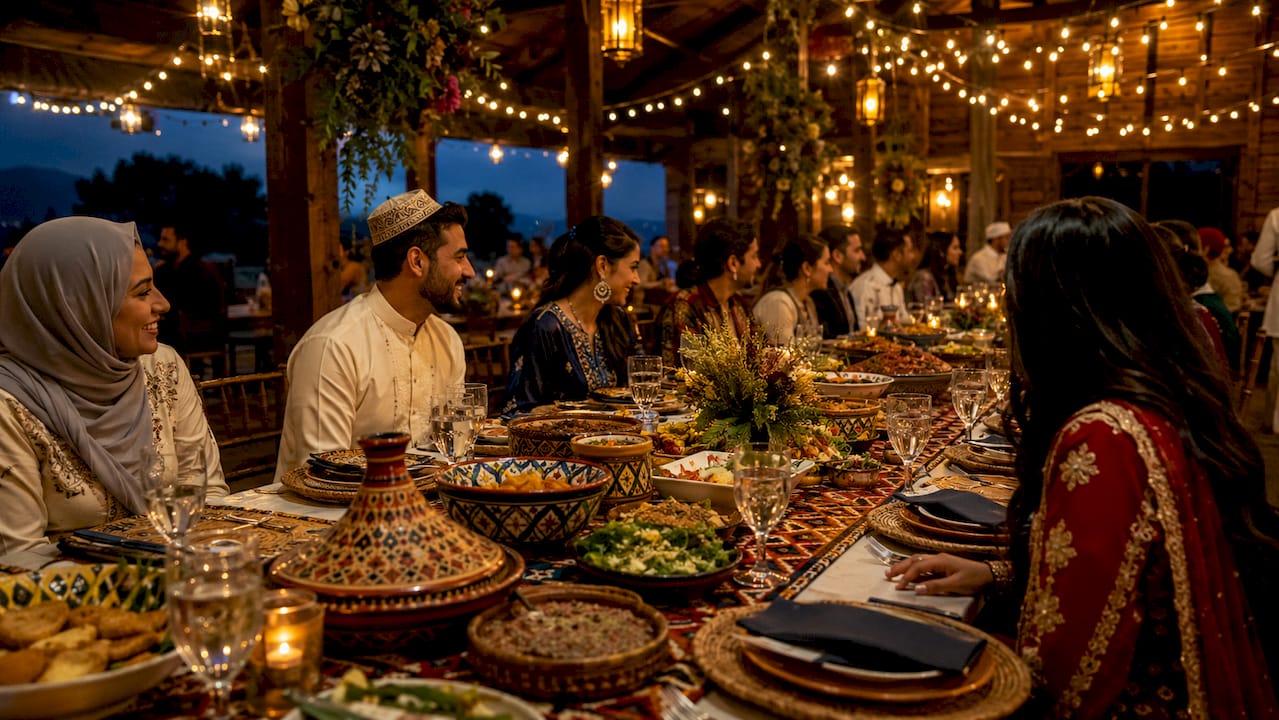
The most visible expressions of heritage in a wedding are the ones guests experience with their eyes, hands, and taste buds. Cultural symbolism in wedding rituals moves from the ceremony into every sensory layer of the event.
Attire and its symbolic weight
Bridal attire is one of the richest areas for cultural expression. A Chinese American bride might wear a white gown for the ceremony and change into a red qipao for the reception, honoring both Western tradition and the Chinese association of red with luck and prosperity. An Indian bride in a Kanjivaram silk saree carries not just color but an entire regional textile tradition. Outfit changes during a wedding are not a logistical inconvenience. They are a storytelling device.
| Cultural tradition | Attire element | Symbolic meaning |
|---|---|---|
| Chinese | Red qipao or cheongsam | Luck, joy, and prosperity |
| South Asian | Henna (mehndi) on hands | Love, fertility, and new beginnings |
| West African | Kente cloth or Ankara print | Royalty, heritage, and community |
| Sicilian | Orange blossom crown | Purity and the blessing of the land |
| Scottish | Tartan sash or kilt | Clan identity and family loyalty |
Decor, color, and symbolic objects
- Chinese red lanterns and gold accents signal celebration and good fortune.
- African Kente cloth runners on tables bring textile heritage into the dining experience.
- South Asian marigold garlands and rangoli patterns transform a venue entrance into a sensory threshold.
- Sicilian ceramic tiles and hand-painted citrus motifs connect a celebration to the island’s artistic history.
- Jewish couples often display a chuppah (wedding canopy) as a symbol of the home they will build together.
Cuisine as cultural connection
A menu that fuses cuisines from both cultures is one of the most natural and celebratory ways to honor heritage. Italian antipasti alongside Korean banchan, or Indian chai served with English afternoon tea, creates a dining experience that tells the couple’s story without a single word of explanation. Food stations organized by cultural origin give guests agency to explore, and they generate genuine conversation across family groups who might otherwise stay separate.
What are the best practices for planning a culturally diverse wedding?
Planning a wedding that honors multiple cultures requires the same discipline as any complex project: clear priorities, the right team, and realistic expectations about what is achievable within your budget and timeline.
- Build your vendor team around cultural competence. A caterer who has never prepared West African jollof rice for 150 guests is not the right choice for that element of your reception. Seek vendors with documented experience in the specific traditions you are incorporating. Ask for references from couples with similar backgrounds.
- Budget by ritual, not by category. Most couples budget by line item (flowers, catering, photography). For culturally diverse weddings, budget by ritual instead. Decide which three or four moments matter most and allocate resources there first. A beautifully executed unity candle ceremony with a hand-poured candle from a grandmother’s collection costs almost nothing and carries enormous weight.
- Manage timing with precision. Multicultural ceremonies run long when transitions are not timed carefully. Build a detailed run-of-show document that assigns a specific duration to every ritual. Share it with your officiant, musicians, and venue coordinator at least four weeks before the wedding.
- Create a guest experience guide. Not every guest will understand every tradition. A short printed or digital program that explains each ritual, its cultural origin, and its meaning transforms passive observers into engaged witnesses. Bilingual greetings or vows in a native language make families feel truly seen. A program that translates those moments extends that feeling to every guest.
- Consult elders before finalizing any borrowed tradition. This is the step most couples skip and most regret. An elder from the originating culture can tell you whether you are observing a protocol correctly, whether a particular element is sacred or secular, and whether your approach honors or diminishes the tradition. That conversation takes one hour and prevents years of family tension.
Pro Tip: Schedule a “cultural rehearsal” separate from your standard wedding rehearsal. Walk through each cultural ritual with the people who will perform or lead it. This is especially important for traditions that involve specific physical movements, objects, or spoken words in another language.
The wedding planning to-do list for a multicultural wedding is longer than most couples expect. Starting the cultural consultation process at least twelve months before the wedding gives you time to research, consult, and make changes without pressure.
Key Takeaways
Cultural heritage creates the most emotionally resonant weddings when couples prioritize depth over breadth, selecting 2–3 meaningful traditions per background and integrating them through skilled officiants, sensory details, and respectful consultation.
| Point | Details |
|---|---|
| Prioritize depth over breadth | Select 2–3 non-negotiable traditions per culture to allow genuine, unhurried witnessing. |
| Structure shapes everything | Choose between separate ceremonies, blended formats, or single-tradition with cultural reception based on family needs. |
| Sensory motifs carry emotional weight | Scents, language, food, and tactile rituals create stronger memories than visual decor alone. |
| Consult before you incorporate | Speak with elders or community members before including any tradition that is not your own heritage. |
| Budget by ritual, not by category | Allocate resources to the moments that matter most, not to the most visually impressive elements. |
Why intentionality matters more than volume
I have observed hundreds of multicultural weddings over the years, and the ones that stay with me are never the ones with the most cultural elements. They are the ones where every tradition present was clearly understood and deeply felt by the people performing it.
The most common mistake I see is what I call “cultural accumulation.” A couple tries to include twelve traditions across two backgrounds, and the result is a ceremony that feels like a survey course rather than a celebration. Guests cannot absorb meaning at that pace. The traditions blur together, and the emotional resonance that each one could have produced individually gets diluted.
The weddings that genuinely move people are built around two or three moments of real cultural weight. I remember a ceremony in Sicily where a Lebanese-Italian couple included only two cultural elements beyond the standard civil rite: a Lebanese zaffe procession to open the reception, with live drums and ululation, and a Sicilian almond confetti toss at the end of the evening. Both moments were executed with full commitment and explained beautifully to guests. The room was electric. Nothing felt rushed. Nothing felt like a performance.
Understanding the psychological function of a tradition is what separates meaningful integration from cultural display. When you know why a ritual exists, you present it differently. You give it the space it deserves. You let guests feel it rather than just see it.
My honest advice: resist the pressure to represent every branch of your family tree in a single ceremony. Choose the traditions that carry the most love, explain them with care, and let them breathe. That is what your guests will remember twenty years from now.
How Sicilianweddingandevent brings cultural heritage to life in Sicily
Sicilianweddingandevent specializes in exactly this kind of intentional, heritage-centered wedding design. Led by Tania Costantino, the team has worked with multicultural couples from across Europe, the Americas, and Asia, helping them weave their traditions into the extraordinary backdrop of Sicily’s baroque estates, clifftop terraces, and ancient citrus gardens. From coordinating bilingual ceremonies to sourcing vendors with genuine expertise in specific cultural cuisines and music, Sicilianweddingandevent handles every detail with care. If you are dreaming of a luxury wedding in Sicily that honors who you are and where you come from, explore what a destination wedding in Sicily can look like when planned with this level of cultural sensitivity and local mastery.
FAQ
What is the role of cultural elements in a wedding ceremony?
Cultural elements define the emotional and communal identity of a wedding. They honor heritage, connect families, and transform a ceremony from a legal event into a meaningful shared experience.
How many cultural traditions should a couple include?
Couples should prioritize 2–3 key traditions per cultural background. Including too many traditions produces a rushed, fragmented ceremony where no single element receives the attention it deserves.
How do you avoid cultural appropriation in wedding planning?
Consulting elders or community members from the originating culture before incorporating any borrowed tradition is the most reliable way to avoid appropriation. Surface-level aesthetics without proper protocol are the most common form of disrespect.
What are the most effective sensory cultural elements for weddings?
Scents, native language greetings or vows, tactile rituals, and culturally specific foods create the strongest emotional memories. Bilingual elements in ceremonies make families from different backgrounds feel genuinely included and valued.
How do you blend two cultures in a single wedding ceremony?
A blended ceremony with co-officiants is the most effective format. The ceremony’s narrative arc must be carefully scripted so that transitions between cultural rituals feel unified rather than disjointed, with each tradition briefly explained to guests before it begins.